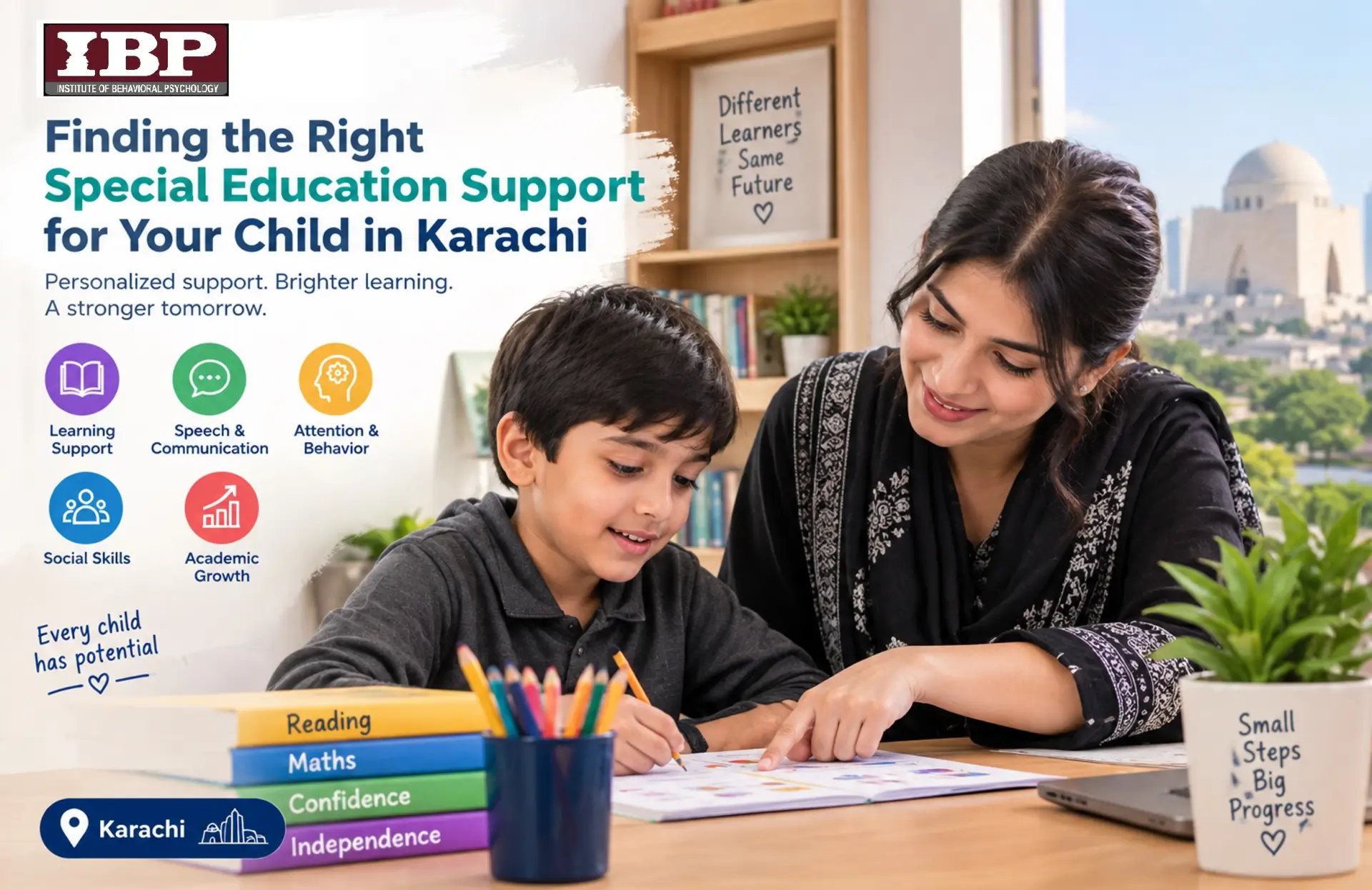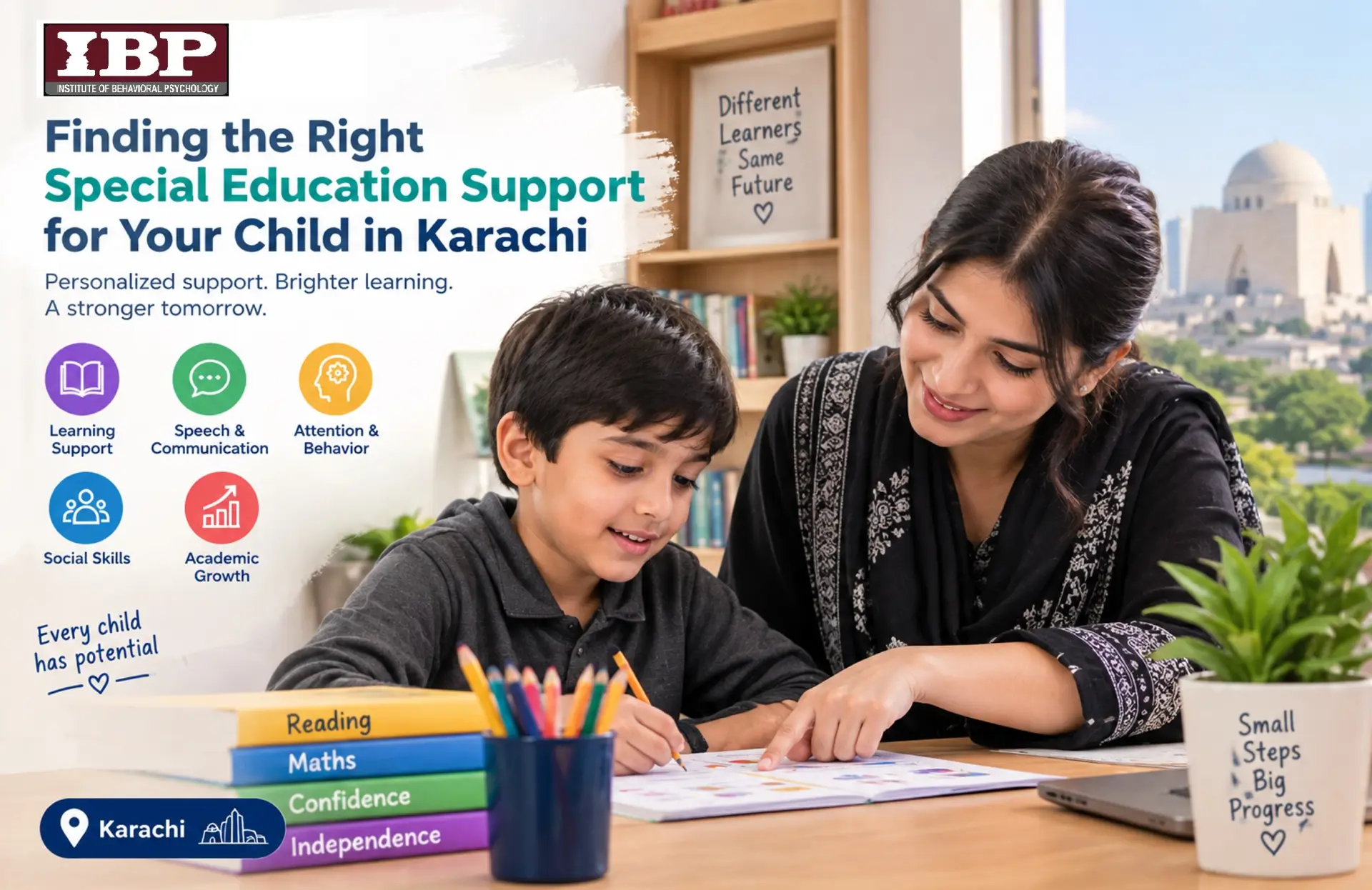
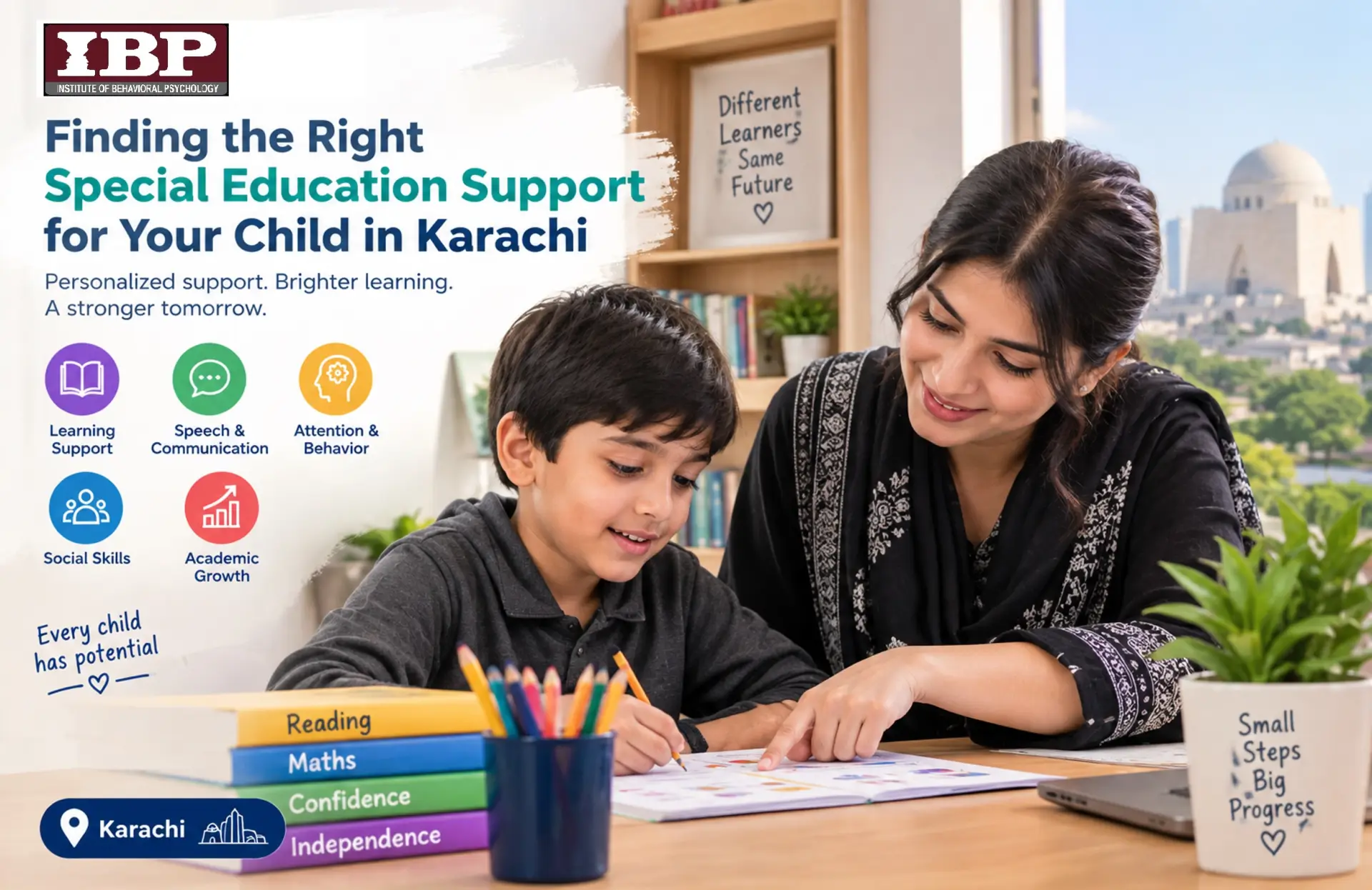
Special Education Support in Karachi for Your Child
Finding the right special education support in Karachi can feel overwhelming, especially if you are not sure whether your child needs extra help with learning, communication, behaviour, attention, or academic development. All children learn differently, and with the right support, children can develop their skills, confidence, and independence.
Parents may notice signs such as difficulty reading and writing, trouble following instructions, communication difficulties, lack of concentration, or challenges with schoolwork. These concerns do not necessarily mean that a child cannot succeed. With appropriate assessment and personalised support, many children can make meaningful progress.
Know Your Child?s Individual Needs
The first step in finding the right special education support is understanding what your child actually needs. Every child is different, and children can experience different types of learning and developmental challenges.
For example, one child may need help with reading and writing, while another may need support with communication, attention, memory, social skills, or classroom behaviour. Some children may require structured academic intervention, while others may benefit from speech and language support alongside educational assistance.
Parents should look for professionals who assess a child's individual strengths and areas of difficulty rather than selecting a service based only on a diagnosis or a general description of their child's difficulties.
Consider a Professional Evaluation
A comprehensive assessment can provide valuable information about how a child learns and where they may be experiencing difficulties. Depending on the child's concerns, an assessment may examine areas such as cognitive abilities, academic skills, language and communication, attention, memory, emotional functioning, and adaptive skills.
At IBP International, assessments can help parents and professionals gain a better understanding of a child's individual profile and identify areas where additional support may be appropriate.
An assessment can also be useful when communicating with teachers and developing an individualised educational plan for the child.
Receive Personalised Educational Support
Effective special education should not follow a one-size-fits-all approach. Children learn in different ways and have different abilities, strengths, and challenges.
When searching for special education support in Karachi, parents should ask whether the provider develops an individualised plan based on assessment results. The plan should outline specific goals and explain how professionals will work towards achieving them.
For example, a child experiencing literacy difficulties may require structured reading and writing intervention. A child who has difficulty communicating may benefit from speech and language support. Another child may need strategies to improve attention, organisation, classroom participation, or social interaction.
Individualised support allows intervention to focus on the areas that matter most to the child.
Consider Speech and Communication Support
Communication difficulties can affect a child's education, relationships, and confidence. Some children may have difficulty expressing themselves, understanding language, pronouncing certain sounds, or participating in conversations.
If your child has communication difficulties, ask whether the education support provider can work alongside speech and language professionals.
Speech therapy can complement special education by addressing communication needs while educational intervention focuses on academic development. When professionals work together, they can provide a more consistent approach to supporting the child.
Work With Your Child's School
Ideally, special education support should not be separate from the child's school experience. Instead, it should complement and support the child's education.
Parents can discuss their child's classroom performance, strengths, and difficulties with teachers. Teachers may provide useful observations about reading, writing, mathematics, attention, social interaction, and classroom participation.
Regular communication between parents, teachers, and specialists can help everyone understand which strategies are being used and whether they are helping the child.
Parents can also ask schools what accommodations or classroom strategies may be available for children who require additional educational support.
Ask the Right Questions Before Choosing a Provider
Before choosing a special education service in Karachi, parents should take time to understand how the provider works.
Useful questions include:
- What type of assessment is available?
- How are educational goals determined?
- Is the support personalised?
- How is the child's progress tracked?
- How often are parents updated?
- Can the provider work with teachers or other professionals?
- What experience does the team have with the child's particular needs?
Clear answers to these questions can help parents make an informed decision about the type of support their child may require.
Focus on Progress, Not Just Problems
It is easy for parents to concentrate on what their child cannot do. However, effective educational support should also identify strengths and build on them.
A child may struggle with reading but have excellent visual skills. Another child may experience communication difficulties but have a strong interest in numbers, technology, art, or practical activities.
Understanding a child's strengths can make learning more engaging and help children develop confidence while working on areas that require additional support.
Progress can also take time. Parents should look for realistic goals and regular monitoring rather than expecting immediate results.
Finding Special Education Support in Karachi
Finding the right special education support in Karachi starts with understanding your child's needs and selecting professional support that corresponds to those needs. Assessment, targeted intervention, communication support, school collaboration, and ongoing progress monitoring can all contribute to a more effective educational plan.
Most importantly, parents do not have to face these concerns alone. If your child is experiencing difficulties with learning, communication, attention, or classroom expectations, seeking professional guidance can be an important first step towards understanding how your child learns and how best to support them.
IBP International provides families with assessment and professional support options designed around the individual needs and developmental goals of children. With the right approach and appropriate support, parents and professionals can work together to help children develop their skills, confidence, and potential.