

Archives

Learning Disabilities

Understanding Learning Disabilities in Karachi: A Guide for Parents

If you’re a parent in Karachi noticing that your child struggles with reading, writing, or math despite being bright and eager to learn, you’re not alone. Learning disabilities affect many children across our city, and the good news is that with the right support, these children can thrive academically and beyond.

What Are Learning Disabilities?

Learning disabilities aren’t about intelligence. They’re neurological differences that affect how the brain processes information. A child with a learning disability might excel at storytelling but struggle to write those stories down, or they might understand complex concepts but have difficulty with basic arithmetic. These aren’t signs of laziness or lack of effort—they’re simply different ways the brain is wired.

The most common learning disabilities include dyslexia (difficulty with reading and language processing), dyscalculia (challenges with numbers and math concepts), and dysgraphia (problems with writing). Some children also experience ADHD, which affects attention and focus, making learning more challenging.

The Situation in Karachi

Karachi, being Pakistan’s largest city, has a growing awareness about learning disabilities, but we still have a long way to go. Many schools lack trained special education teachers, and there’s often a stigma attached to children who learn differently. Parents sometimes face pressure from family members who don’t understand that these challenges are real and not just “phases” children will outgrow.

However, the landscape is changing. Several institutions in Karachi now specialize in assessing and supporting children with learning disabilities. Organizations like the Karachi Down Syndrome Program, Special Education Foundation, and various private therapy centers offer evaluations and interventions. Some mainstream schools are also beginning to incorporate inclusive education practices.

Recognizing the Signs

Early identification makes a huge difference. Watch for signs like persistent difficulty in reading despite regular practice, confusion with letters or numbers, trouble following multi-step instructions, or avoiding homework and school activities. If your child seems anxious about school or their self-esteem is suffering, these are red flags worth investigating.

Remember, every child develops at their own pace, but if you notice consistent struggles that don’t improve with regular support, it’s worth seeking a professional evaluation.

Getting Help in Karachi

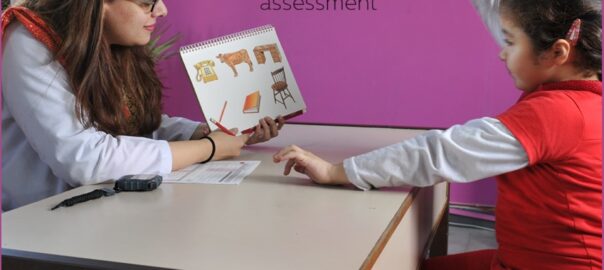
The first step is getting a proper assessment from a qualified educational psychologist or learning disability specialist. Several hospitals in Karachi, including Aga Khan University Hospital and South City Hospital, have child development centers that conduct comprehensive evaluations.

Once you have a diagnosis, work with your child’s school to develop a support plan. Some children benefit from occupational therapy, speech therapy, or specialized tutoring. The key is finding what works for your child specifically—there’s no one-size-fits-all solution.

Support at Home

Your role as a parent is crucial. Create a structured routine, break tasks into smaller steps, and celebrate small victories. Focus on your child’s strengths—maybe they’re artistic, great at building things, or have strong social skills. These strengths are just as important as academic abilities.

Connect with other parents facing similar challenges. Support groups exist in Karachi where you can share experiences and resources. You’ll find that you’re part of a community, not struggling alone.

Looking Forward

Having a learning disability doesn’t define your child’s future. With proper support and understanding, children with learning disabilities grow into successful adults. They learn to work with their unique learning style and often develop remarkable problem-solving skills and resilience.

If you suspect your child has a learning disability, don’t wait. The earlier you seek help, the better the outcomes. Karachi may still be developing its resources for learning disabilities, but support is available, and your child deserves every opportunity to succeed.
Understanding and Supporting Learning Disabilities in Karachi

As a parent or educator in Karachi, you might have noticed a child struggling to keep up with their peers despite showing intelligence and effort in other areas. This scenario is more common than many realize, and it often points to learning disabilities that require specialized understanding and support learning disabilities. Fortunately, awareness about Learning Disabilities Karachi services and resources has grown tremendously, offering hope and practical solutions for affected families.

What Are Learning Disabilities?

Learning disabilities are neurological differences that affect how the brain processes, stores, and retrieves information. They’re not related to intelligence levels—many children with support learning disabilities are actually quite bright and creative. Common types include dyslexia (reading difficulties), dyscalculia (math challenges), dysgraphia (writing problems), and attention deficit disorders that impact learning processes.

In Karachi’s educational environment, where children often navigate between multiple languages and demanding academic expectations, learning disabilities can sometimes be misunderstood or overlooked. Teachers and parents might attribute struggles to laziness or lack of effort, when in reality, the child’s brain simply processes information differently.

Support Learning Disabilities

Early identification makes a significant difference in outcomes for children to support learning disabilities. Parents in Karachi should watch for persistent difficulties that don’t improve despite extra help or practice. A child might struggle with reading fluency, have trouble following multi-step instructions, show poor handwriting despite effort, or demonstrate inconsistent academic performance across different subjects.

Sometimes children develop behavioral issues or lose confidence in school settings because they feel frustrated by their difficulties. They might avoid homework, become anxious about tests, or start believing they’re “not smart enough.” These emotional responses often signal underlying learning challenges that need professional attention.

The Importance of Professional Assessment

Getting a proper evaluation from qualified professionals is crucial for understanding a child’s specific learning profile. In Karachi, more specialists are becoming available who can conduct comprehensive assessments that identify not just areas of difficulty, but also strengths that can be leveraged for learning success.

These assessments help create individualized education plans that accommodate different learning styles and needs. They also provide clarity for families who have been struggling to understand why their intelligent child faces academic challenges.

Specialized Educational Approaches

Children with learning disabilities benefit tremendously from specialized teaching methods that work with their brains rather than against them. Multi-sensory teaching techniques, structured literacy programs, and assistive technology can transform a struggling student into a confident learner.

Many educational programs in Karachi now incorporate these evidence-based approaches, recognizing that one teaching method doesn’t work for everyone. Teachers trained in learning disabilities understand how to present information in multiple ways and provide the extra processing time these students often need.

Building Confidence and Self-Advocacy

Beyond academic support, children with learning disabilities need to develop strong self-esteem and self-advocacy skills. When they understand their learning differences and discover their strengths, they often become more resilient and successful in all areas of life.

Success stories from Karachi show children with learning disabilities going on to excel in various fields, from arts and technology to business and medicine. The key is providing appropriate support during their educational journey and helping them recognize their unique talents and abilities.

Moving Forward with Hope

Learning disabilities are lifelong differences, but they don’t have to limit a child’s potential. With proper identification, specialized support, and understanding from family and educators, children with learning disabilities can achieve remarkable success and lead fulfilling lives in Karachi’s diverse and dynamic environment.